The annual moult is the reset of the reproductive cycle. A well-fed hen during the moult recovers production in 8–12 weeks. A poorly managed one can take 20. The difference is protein and light management.
When it happens and why
The natural moult is triggered by the reduction in daylight hours, typically in September–October in the northern hemisphere. It is a physiological process of feather renewal in which the body prioritises keratin for feathers over egg production. Output drops to 10–30% or stops entirely for 6–12 weeks.
Nutrition during the moult
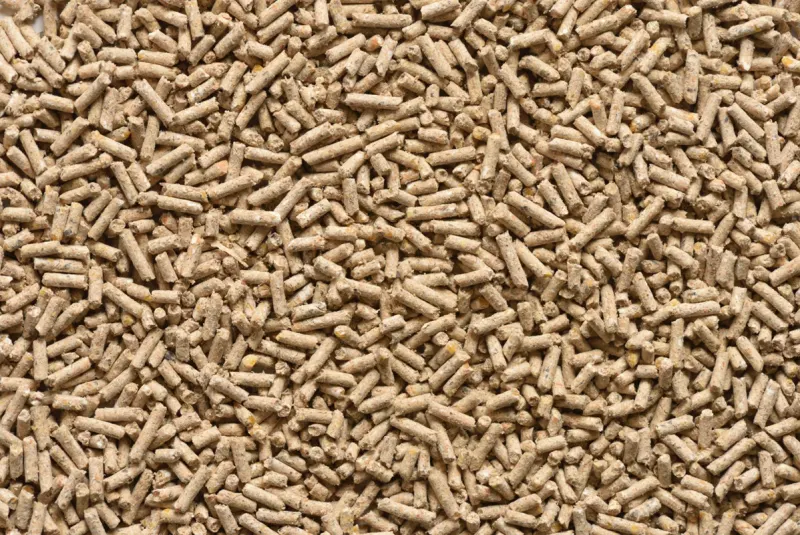
Increase feed protein to 18–20% (vs the standard 16–17%) during the 8 weeks of active moulting. The limiting amino acid is methionine, essential for keratin synthesis. Some keepers add wheat germ or sunflower seeds as a source of methionine and vitamin E.
Light management to protect production
If the coop has artificial lighting you can prevent moulting by maintaining 14–16 hours of total light (natural + artificial). However, this practice reduces the hens' total productive lifespan. For domestic use without production pressure, allowing moulting is preferable as it ensures a second season of higher quality.
Breeds that moult best
High-production breeds (ISA Brown, Lohmann) have faster but harder moults. Traditional breeds (Sussex, Plymouth Rock) moult gradually and recover more slowly but with better final plumage quality. Marans barely stop laying during the moult, though they reduce to 30–40%.